
Is Teeth Replacement Painful? A Complete Guide for First-Time Patients
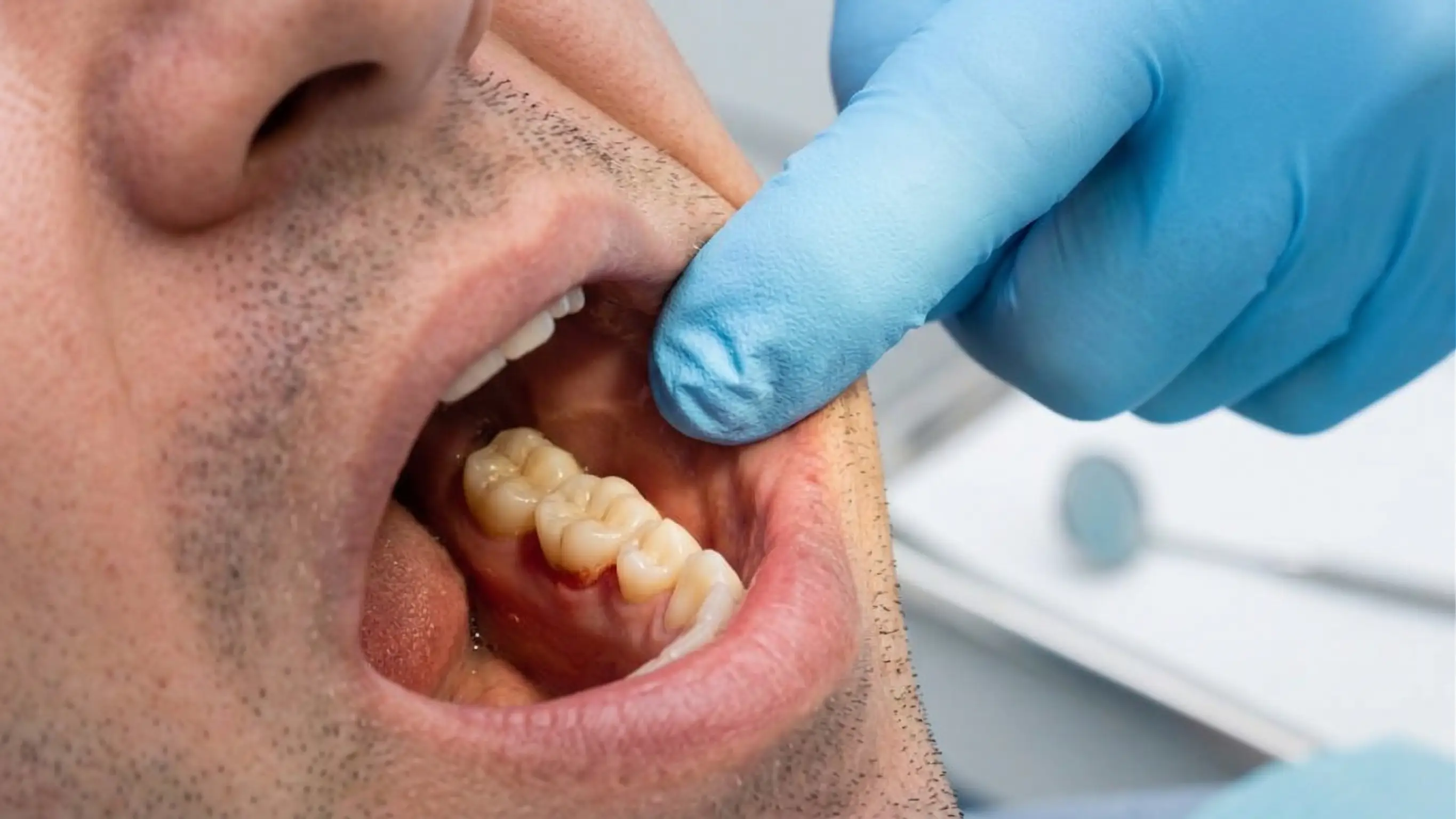
Replacing a missing tooth brings up two feelings at once: relief and worry. For most people, pain is the first concern. That worry runs deeper when the dental chair already makes you nervous.
At Gums And Braces Dental Clinic , we see this every week. Fear keeps people from smiling, even when the fix is simple.
Tooth replacement is not only about looks. It affects how you chew, how you speak, and how your other teeth stay in place. So it is fair to ask: Will it hurt? How long will the soreness last?
If a missing tooth has been bothering you or your child, you are not alone. This guide walks you through what to expect, in plain language.
Understanding Teeth Replacement and Pain
A missing tooth changes small daily things. Food tastes different. Words sound different. Smiles feel guarded.
Choosing to replace a tooth is about more than function. It restores chewing, confidence, and the position of your other teeth.
Each option carries a different level of discomfort. Implants, dentures, and bridges all feel different during and after treatment.
Most fear we hear about comes from old stories. A relative had a tough time twenty years ago, and the memory sticks. Modern tools have moved on. The experience today is calmer, faster, and far more comfortable.
At Gums And Braces Dental Clinic , a pain-free approach is built into every plan.
Common Types of Teeth Replacement
We offer both short-term and long-term options, based on what suits your routine.
Patients often ask the same question: Is tooth replacement painful? With current techniques, the honest answer is that most procedures cause little to no discomfort.
Here are the main choices:
- Dental implants — a permanent fix that feels like a natural tooth.
- Removable partial dentures — a non-surgical option for those who prefer to avoid surgery.
- Bridges and crowns — useful when nearby teeth are healthy enough to anchor them.
- All-on-4 implant dentures — strong full-arch support using fewer implants.
If you are unsure which path fits you, start with a consultation. We check bone density and gum health first, then recommend an option.
Whatever you choose, the priority stays the same: your comfort.
What Happens During Teeth Replacement Procedures
Every replacement begins with a check of your bone and gum health.
If a tooth needs to come out, we use gentle tools for a clean removal. For implants, a small surgical step anchors a titanium root into the bone.
Dentures and bridges usually skip surgery and involve fewer visits.
Healing times vary:
- Implants — a few months to settle fully.
- Bridges — about a week.
- Dentures — adjustment period of a few days.
From our case experience, the first ten days of aftercare matter most. Patients who follow our advice in that window heal noticeably faster.
Pain Experience During Different Replacement Methods
A common question is simple: Does an implant hurt more than a denture?
Here is the short version:
- Implants cause mild soreness after surgery. It fades within a few days.
- Dentures feel tight at first. Gums adapt within a week.
- Children often feel reassured when a parent and our team explain each step.
- Adults may notice some jaw or gum irritation, which passes quickly.
The patients who report the least discomfort have one thing in common. They stick to soft foods for the first week.
Understanding Pain and Dental Procedures
Most dental fear comes from not knowing what to expect. Clear planning fixes that.
Before any procedure, our team walks you through every step. We answer questions first and start treatment only when you feel ready.
Pain During the Procedure
Local anaesthesia numbs the area before we touch the tooth. You stay alert but feel nothing sharp.
For nervous patients, oral or IV sedation is available where medically suitable.
With modern ultrasonic tools and a light touch, most patients tell us, “I didn’t feel much at all.”
A small detail that helps: we give patients a hand signal to pause at any time. Calming music plays in the background, and we never rush a visit.
Post-Procedure Pain and Recovery
The first 48 hours may bring some tenderness, jaw tiredness, or minor bleeding. That is normal.
Call us if:
- Pain grows sharper after the third day.
- Swelling spreads beyond the treatment area.
- You notice pus or a fever.
Most patients feel close to normal within a week and can chew on the treated side soon after.
Complications and Additional Concerns
Unusual swelling, pus, or sharp lasting pain can point to early infection or a misfit.
Ill-fitting bridges and dentures may cause sore spots or bite issues. We shape each fitting around your jaw and bite, with follow-up visits built in for small adjustments.
Catching a problem early almost always avoids a bigger fix later. That is why we stay reachable beyond appointment hours.
Easing and Managing Pain After Teeth Replacement
Pain management does not need to be complicated. A few simple habits cover most cases.
At-Home Pain Relief Solutions
Try these in the first few days:
- Take over-the-counter painkillers on time.
- Hold a cold pack wrapped in cloth against your cheek for five minutes each hour.
- Rinse gently with warm salt water to soothe sore gums.
- Stick to soft foods like dal, curd, and khichdi for three days.
- Avoid spicy or very hot meals while you heal.
- Brush lightly around the new tooth to keep bacteria away.
Rest is the most underrated part of healing.
When to Reach Out to Your Dentist
Book a check-up if pain gets sharper or starts to spread.
We can adjust the fit, treat a minor infection, or change your medication for better relief.
We would rather see you early than late. Routine follow-ups help us track healing until your new tooth feels like your own.
Patient Experience and Emotional Aspects
Pain is not always the only worry. Sometimes it is the chair, the sound of the drill, or the whole idea of dental work.
That feeling is normal, especially after years of avoiding the dentist. The good news is that the first step is easier than it looks.
Coping With Fear and Anxiety
We see nervous patients every day. Most leave smiling.
For mild nerves, simple things help: calm music, slow breathing, and a clear walk-through of each step.
For stronger anxiety, we offer safe sedation after a health check.
Dr Sneh and Dr Tuhina believe no question is too small. Talking things through removes most of the fear before treatment even begins.
Real Experiences of Patients
Rushabh came in with severe pain and left saying, “I felt relief the same day.”
Shubhra called her dentists at Gums And Braces Dental Clinic “caring and efficient.”
Chintan was surprised by how modern the clinic felt and appreciated how clearly we explained his treatment.
Most patients tell us the same thing: what they worried about before treatment turned out to be simpler than expected. Mumbai families have trusted us since 2018.
Frequently Asked Questions
Is getting dental implants painful in the long run?
No. Initial soreness fades within a few days. Once healed, implants feel like natural teeth.
Do dentures always hurt at first?
They can feel tight or unusual. Most patients adjust within a week, with small tweaks if needed.
How long does pain last after a tooth replacement?
Most pain eases in two to three days. Mild tenderness can last up to a week and is easy to manage.
What is considered unusual pain after surgery?
Shooting pain, pus, fever, or rising pain after three days. Any of these need a dentist’s attention.
Can I work the next day after a tooth replacement?
Yes for dentures and bridges. For implants or full extractions, rest for at least 48 hours.
How do I get used to new dentures?
Wear them regularly, massage your gums gently, and stick to soft food. Tell us if any soreness lingers.