
Early Signs of Gum Disease You Should Not Ignore
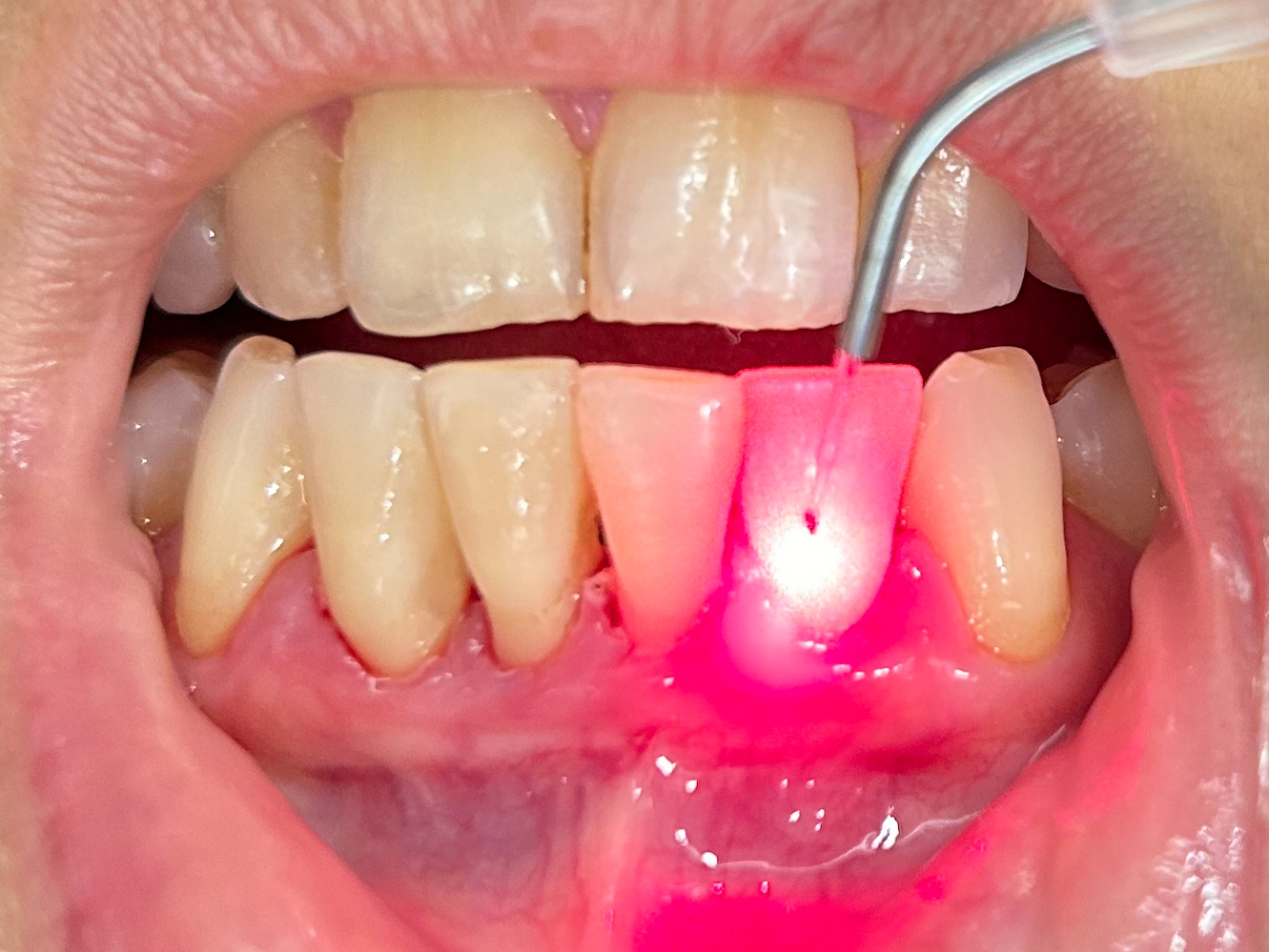
Most people expect a dental problem to hurt. A cavity throbs, a cracked tooth aches, a wisdom tooth makes its presence known. Gum disease is different. In its early stage it rarely causes any pain, which is exactly why so many people in Ghatkopar East let it slide until their gums are already in trouble.
The good news is that the early signs of gum disease are easy to spot once you know what you are looking at. Catch them early and the damage can often be reversed with nothing more than a professional clean and a better routine at home. Catch them late and you may be looking at deeper treatment, or even tooth loss.
Here is what our periodontist wants every patient to watch for.
Why Early Gum Disease Hides in Plain Sight
The earliest stage of gum disease is called gingivitis. At this point the gums are inflamed but the bone holding your teeth is still untouched, so there is no looseness and usually no pain. Because nothing hurts, the warning signs get brushed off as normal.
That is the trap. The window where gum disease is fully reversible is also the window where it feels like nothing is wrong. Knowing the early signs of gum disease is what lets you act inside that window instead of after it closes.
Bleeding When You Brush or Floss
A little pink in the sink is the sign most people ignore first. Healthy gums do not bleed when you brush or floss with a normal technique. Regular bleeding is inflammation talking, not enthusiasm with the toothbrush.
Bleeding can have other causes, such as brushing too hard or a brand new flossing habit. If it keeps happening for more than a week or two after you have cleaned up your technique, it is worth having your gums checked.
Red, Swollen or Tender Gums
Healthy gums are firm and a pale pink colour. When gum disease sets in, they often turn red or darker, look puffy along the gum line, and feel tender when you touch them or bite into something firm.
Run your tongue along your gum line now and then. Gums that feel spongy rather than firm are asking for attention.
Bad Breath That Will Not Clear Up
Persistent bad breath, the kind that survives brushing, mouthwash and a mint, is a common early sign that gets blamed on food or an empty stomach. The real cause is often bacteria collecting along and under the gum line, where a toothbrush cannot reach.
If your breath does not improve no matter how carefully you clean, the source may be your gums rather than your last meal.
Signs That Gum Disease Is Getting Serious
Some gum disease symptoms tell you the problem has moved past the reversible stage and needs proper care without delay:
- Receding gums, where teeth start to look longer than they used to
- Loose or shifting teeth, or a bite that suddenly feels different
- Small gaps opening up between teeth that were always tight
- A dull ache or new sensitivity near the roots
- Pus or a lingering bad taste around the gum line
By the time a tooth feels loose, gum disease has usually been at work quietly for years.
If any of these sound familiar, this is not the stage to wait and watch. The right move is a proper gum examination, and our gum treatment in Ghatkopar East starts with finding out exactly how far things have progressed before anything else.
When to Get Your Gums Checked
A simple rule helps here: book a check-up the moment your gums bleed regularly, look red or swollen, pull away from your teeth, or your breath will not settle. You do not need to wait for pain, and waiting usually costs you more in the long run.
A routine cleaning every six months also lets us catch the early signs of gum disease before you would ever notice them yourself. For patients who smoke, have diabetes, or build up tartar quickly, we often suggest coming in a little more often.
Common Questions About Early Gum Disease
Can early gum disease be cured?
Yes. At the gingivitis stage there is no bone loss yet, so a professional clean and good daily habits can usually return your gums to health.
Does gum disease always hurt?
No. Early gum disease is often painless, which is why the visual signs like bleeding and redness matter so much.
How often should I get my gums checked?
A check-up and clean every six months suits most people. Come in sooner if your gums bleed often or look red and swollen.
Your gums hold your teeth in place for life, so they are worth a few minutes of attention. If anything here sounded like your own mouth, book an appointment with our team and we will take a proper look.