
Can You Smoke After Tooth Extraction? Complete Recovery Guide
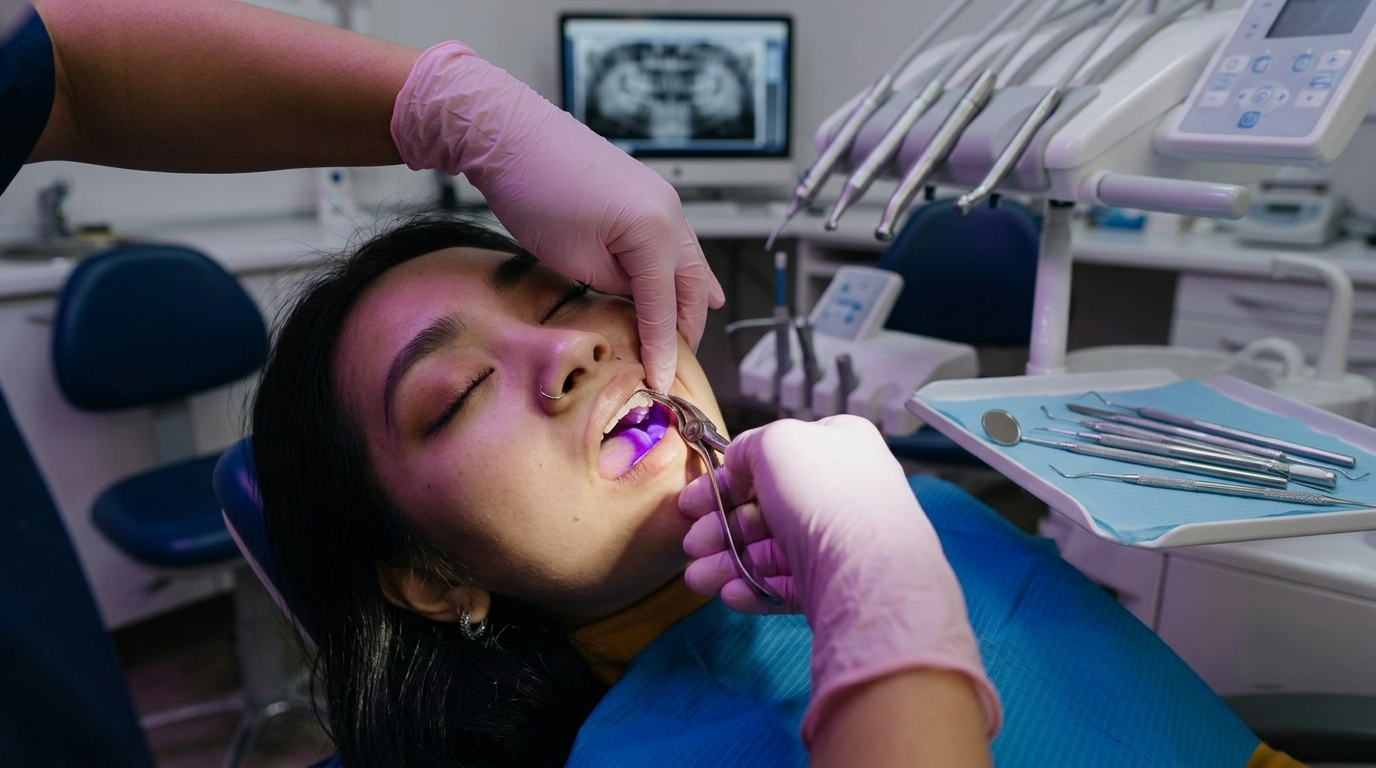
If you've just had a tooth pulled and you're a regular smoker, the first question on your mind is probably how long you'll have to go without a cigarette. The honest answer is longer than you'd like. Smoking right after an extraction is one of the worst things you can do for your healing mouth, and it's something we counsel almost every smoker about before they leave our clinic.
Here's what dentists in India recommend about smoking, bidis, hookah, and vaping after an extraction, and how to manage the next few days without sabotaging your recovery.
Why Smoking Is Risky After an Extraction
When a tooth is removed, your body forms a blood clot in the empty socket within the first few hours. This clot acts as a protective layer over the bone and nerves, and it's the foundation for new tissue to grow. Smoking interferes with this in several ways:
- Suction Action: The act of inhaling creates a vacuum inside your mouth. This can pull the clot out of the socket, leaving the bone and nerves exposed.
- Nicotine Narrows Blood Vessels: Less blood reaches the wound, which means slower healing and reduced oxygen supply to the tissue.
- Heat and Chemicals: Tobacco smoke contains tar, carbon monoxide, and dozens of irritants that delay tissue repair and raise infection risk.
- Weaker Immune Response: Long-term smokers already have lower immunity, which means a higher chance of complications.
The most common problem we see in our practice is dry socket, a painful condition where the clot is dislodged. Almost every dry socket case we manage involves a patient who smoked too soon, and the pain can radiate to the ear, jaw, or temple for several days.
How Long Should You Wait Before Smoking?
Most dentists in India recommend waiting at least 72 hours, and ideally a full week. Here's the timeline we walk smokers through on the day of their extraction:
First 24 to 48 Hours
Absolutely no smoking, vaping, hookah, or chewing tobacco. The clot is still forming and is at its most fragile.
Days 3 to 5
This is when the dry socket risk peaks. If you can hold off until day 5, you'll significantly reduce the chance of complications.
Day 7 Onwards
For simple extractions, most healing is complete on the surface. You can carefully resume smoking, though longer abstinence is always better.
Surgical Extractions and Stitches
If you've had a wisdom tooth removed or your extraction involved sutures, plan for at least 10 to 14 days without smoking. Sutures and deeper wounds need extra protection.
If you're not sure how complicated your extraction was, our specialists at the tooth extraction clinic in Ghatkopar East can give you a personalised recovery timeline based on your case.
What About Bidis, Hookah, Vaping, and Chewing Tobacco?
Patients often ask us if switching to a "lighter" form during recovery is safer. It isn't, and here's why:
- Bidis: Burn hotter than cigarettes and contain higher levels of tar and nicotine. Same suction, more irritation.
- Hookah and Shisha: The deep, prolonged inhalation creates even stronger suction than a cigarette. Hookah sessions also expose your mouth to heat for much longer.
- Vaping and E-cigarettes: No smoke, but the suction and nicotine remain. Vaping is not a safe alternative after an extraction.
- Paan, Gutka, Khaini, and Other Chewing Tobacco: The chewing action and direct contact with the gums can disturb the clot and introduce bacteria into the wound.
Bottom line: Every form of tobacco is risky during the first week.
Safer Alternatives While You Heal
If quitting cold turkey for a week feels impossible, ask your doctor about:
- Nicotine patches
- Nicotine gum (chew gently on the opposite side)
- Nicotine lozenges
These deliver nicotine without the suction or heat, making them much safer during recovery. None of them is perfect, but they're far better than lighting up.
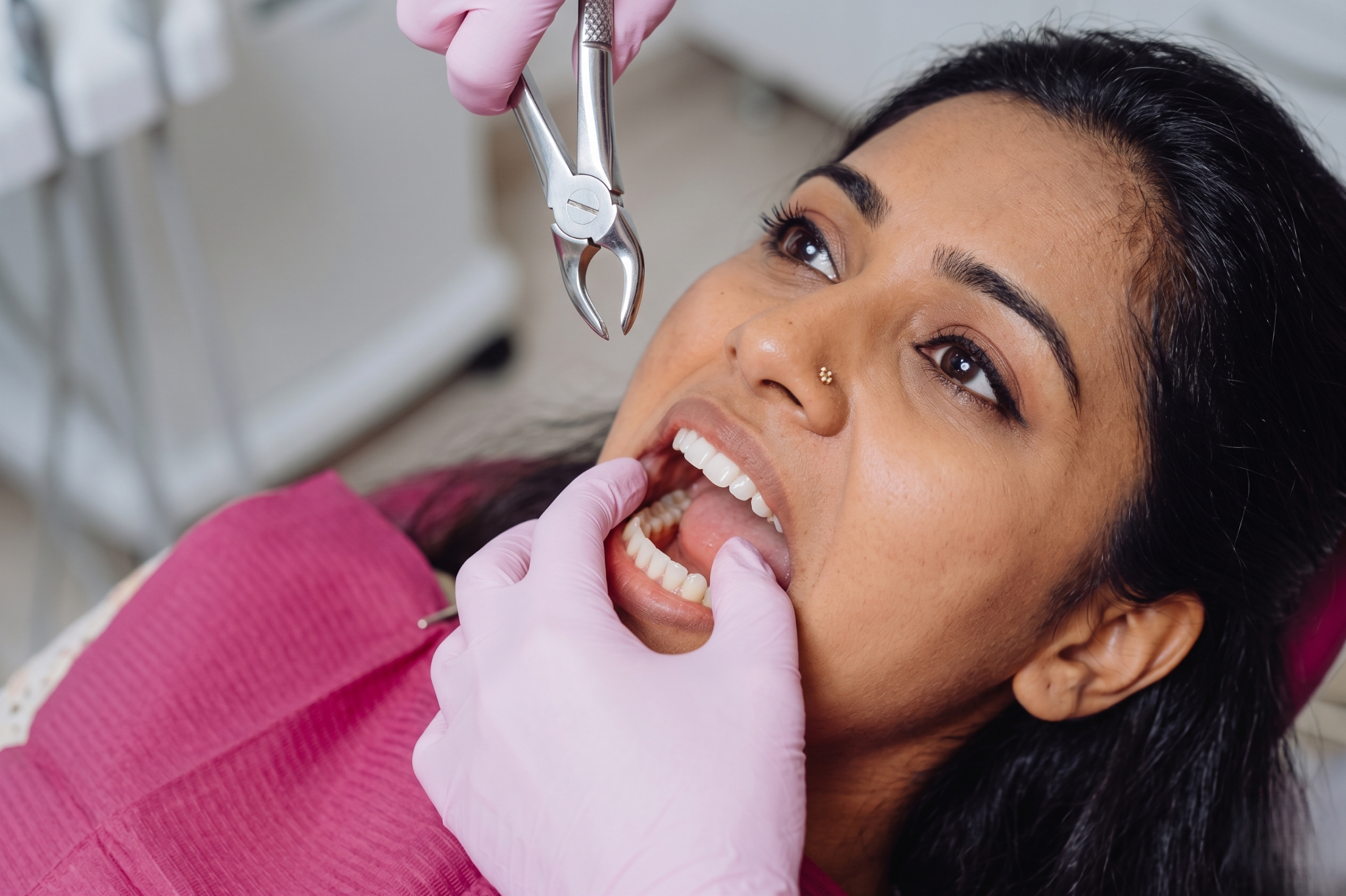
Tips to Get Through the Next Few Days
- Stock up on nicotine replacement products before your appointment.
- Keep your hands and mouth busy with healthy snacks like yoghurt, smoothies, or soft fruits.
- Stay hydrated with cool water at room temperature, but skip straws.
- Avoid stressful situations that usually trigger your smoking habit.
- Tell your dentist you're a smoker so they can prescribe stronger painkillers or antibiotics if needed.
When to Visit Your Dentist
Watch for these warning signs after an extraction:
- Throbbing pain that gets worse after day three
- A bad smell or taste in the mouth
- Bleeding that doesn't stop with gentle pressure
- A visibly empty socket with no clot
- Fever or pus
These can point to dry socket or infection, both of which need quick professional treatment.
Final Word
Skipping smoking for a few days is one of the simplest things you can do to avoid complications. Your healing mouth will thank you, and so will your wallet, since dry socket treatment usually means extra dental visits.
If you're due for an extraction or worried about your recovery, contact our team at Gums and Braces today. With a periodontist and implant specialist on our team, we handle everything from simple extractions to surgical wisdom tooth removals, and we'll walk you through every step of recovery.