Can Wisdom Teeth Replace a Missing Tooth – Guide

Losing a tooth can affect more than just your smile. It can impact your ability to chew properly, shift surrounding teeth, and even change your facial structure over time. If you still have your wisdom teeth, you might be wondering: Can they be used to replace a missing tooth?
The answer is: In some cases, yes, but it depends on several important factors.
At Gums And Braces Dental Clinic, we offer personalized tooth replacement solutions, carefully evaluating options like wisdom tooth transplantation and dental implants to restore your smile safely and effectively.
Let’s break it down in simple terms so you can understand whether this option could work for you.
What Does It Mean to Replace a Missing Tooth with a Wisdom Tooth?
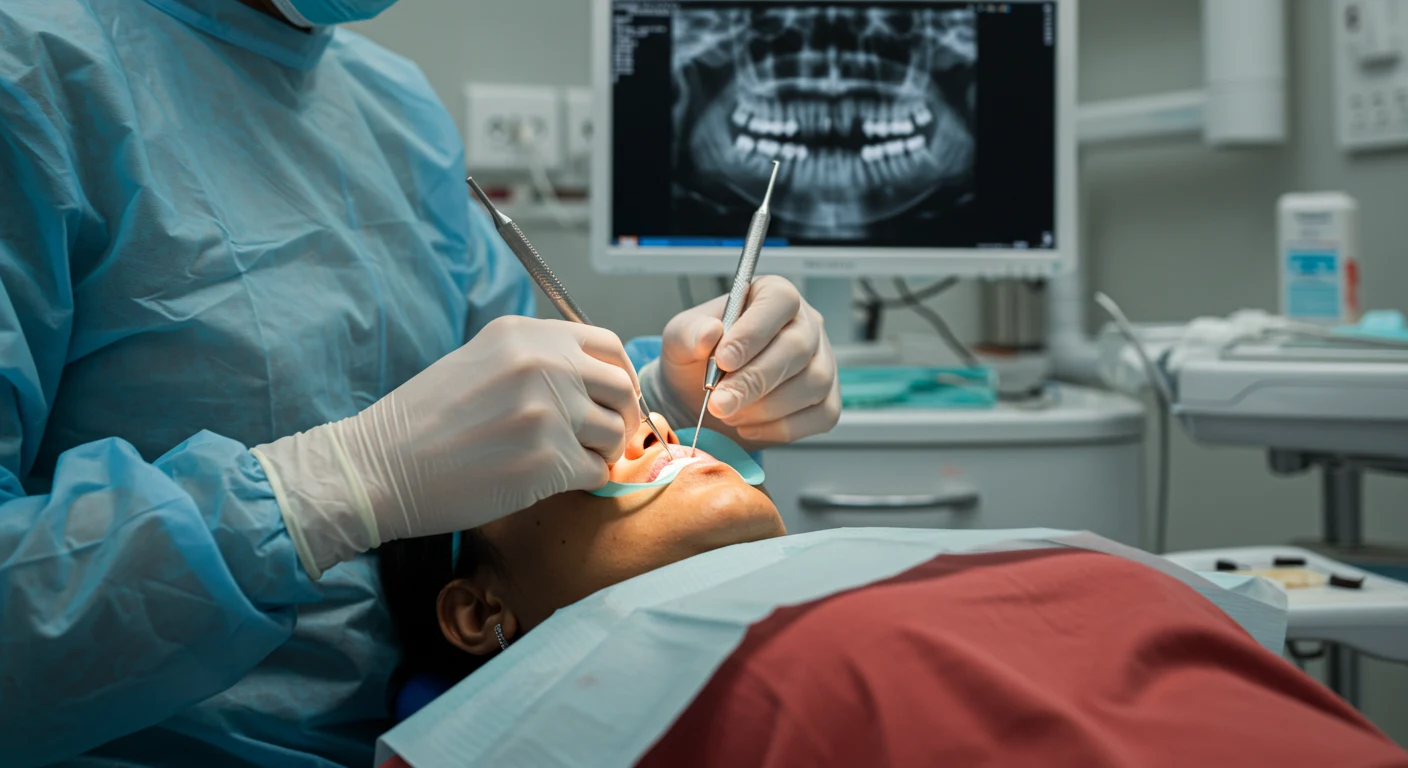
Using a wisdom tooth to replace a missing tooth is known as tooth transplantation or autotransplantation. In this procedure, a healthy wisdom tooth (usually one that hasn’t fully erupted or is not yet in function) is surgically moved into the space of a missing tooth.
Instead of removing the wisdom tooth and discarding it, your dentist repositions it where it’s actually needed.
While this sounds like a perfect solution, it’s not suitable for everyone.
When Can a Wisdom Tooth Replace a Missing Tooth?
This option may be possible if:
1. The Wisdom Tooth Is Healthy
The tooth must be free from decay, infection, or structural damage. It should also have a suitable root shape that allows it to be transplanted successfully.
2. The Roots Are Still Developing
Transplantation tends to work best when the wisdom tooth roots are not fully formed. Younger patients often have better success rates because their Teeth Replacement and bones are still adapting and healing efficiently.
3. There Is Adequate Bone in the Missing Tooth Area
The jawbone must be strong and healthy enough to support the transplanted tooth. If significant bone loss has occurred, additional procedures may be required.
4. The Bite Alignment Is Suitable
Proper alignment is critical. If the wisdom tooth doesn’t fit well into the space, it may not function correctly or may affect your overall bite.
What Are the Advantages?
If successful, wisdom tooth transplantation offers several benefits:
- Uses your natural tooth instead of artificial materials
- Can feel and function like a regular tooth
- May be more cost-effective than implants in select cases
- Preserves natural bone and gum tissue
Because it’s your own tooth, your body is less likely to reject it compared to foreign materials.
What Are the Limitations?
Despite the benefits, this procedure is not common for everyone. Here’s why:
- Not all wisdom teeth are suitable for transplant
- Fully developed roots reduce success rates
- The procedure is technique-sensitive
- Long-term success depends on healing and proper positioning
In many adult patients, wisdom teeth are either impacted, poorly positioned, or fully formed, making Dental Implants a more predictable solution.
How Does It Compare to Dental Implants?
Dental implants are often considered the gold standard for replacing missing teeth. They involve placing a titanium post into the jawbone, which acts as an artificial root, followed by a crown.
Here’s a simple comparison:
| Wisdom Tooth Transplant | Dental Implant |
|---|---|
| Uses your natural tooth | Uses artificial root and crown |
| Best for younger patients | Suitable for most adults |
| Requires suitable wisdom tooth | No natural tooth required |
| Technique-sensitive | Highly predictable outcomes |
Both options require proper evaluation to determine the best choice for your oral health.
Is the Procedure Painful?
Like most minor oral surgeries, the procedure is performed under local anesthesia. Some discomfort or swelling is normal afterwards, but it’s usually manageable with prescribed medication and proper aftercare.
Healing time varies depending on the individual and the complexity of the case.
Who Is an Ideal Candidate?
You may be a good candidate if:
- You are younger (teens or early adulthood)
- You have a healthy, well-formed wisdom tooth
- The missing tooth space is suitable
- Your overall oral health is good
A thorough dental examination and imaging are necessary to assess eligibility.
The Bottom Line
Yes, wisdom teeth can sometimes replace a missing tooth, but only in carefully selected cases. While it’s an interesting and natural alternative, it isn’t the most common or universally suitable option.
The best way to determine your options is through a professional evaluation.
At Gums And Braces Dental Clinic, we assess your individual case, explain all available tooth replacement options, and recommend the most reliable solution tailored to your long-term oral health. Whether that’s transplantation, implants, or another Restorative Treatment , our goal is to restore your smile with comfort and confidence.
If you’re missing a tooth and wondering about your options, scheduling a consultation is the first step toward clarity.
Restore Your Smile with the Right Solution
Whether a wisdom tooth transplant is suitable or a dental implant is the better choice, the right treatment starts with the right guidance.
Book a consultation with Gums And Braces Dental Clinic and take the first step toward a confident, healthy smile.
Frequently Asked Questions
Is wisdom tooth transplantation better than a dental implant?
It depends on your individual case. While transplantation uses your natural tooth, implants are often more predictable and suitable for most adults.
What is the success rate of wisdom tooth transplantation?
Success rates are higher in younger patients with partially developed roots and healthy surrounding bone.
How long does it take to recover from a wisdom tooth transplant?
Initial healing usually takes a few weeks, but full integration and stabilisation of the tooth may take a few months.