
Are Dental Implants Safe? Risks and Success Rates Explained
.JPG)
Losing a tooth is stressful enough without worrying about the treatment meant to fix it. If you have been told an implant is your best option, it is natural to pause and ask one simple question first: Are dental implants safe?
The honest answer is yes. When an implant is planned properly, placed by a trained dentist and cared for afterwards, it is one of the most predictable treatments in modern dentistry. But safety is not automatic. It depends on the patient, the planning and the person carrying out the surgery. Here is what that really means for you.
What Makes Dental Implant Safety So Reliable
A dental implant is a small titanium post placed into the jawbone where your natural root used to sit. Titanium has been used in medicine for decades, including in hip and knee replacements, because the body accepts it well. Over a healing period, the bone grows around the post and holds it firmly in place. This process is called osseointegration, and it is the reason a well placed implant feels and works like a real tooth.
Because the materials are body friendly and the technique is well understood, dental implant safety is high when the basics are done right. The risks that do exist are mostly preventable, which is why careful screening and planning matter as much as the surgery itself.
The Risks You Should Know About
Every surgical procedure carries some risk, and implants are no different. Being clear about them helps you make a confident decision rather than an anxious one. The issues we talk through with patients include:
- Infection around the implant, known as peri-implantitis, which behaves like gum disease and can affect the bone if it is ignored.
- An implant that does not fully integrate with the bone, usually linked to poor bone quality or healing problems.
- Nerve or sinus involvement, which careful imaging and planning are designed to avoid.
- Slower healing in people who smoke or have uncontrolled health conditions.
Most of these are uncommon, and nearly all are manageable when caught early. The warning signs to watch for are swelling, lasting pain or a loose feeling around the implant. If you notice any of these, tell your dentist promptly.
Success Rates Explained in Plain Terms
When patients ask about success, what they really want to know is whether the implant will last. The large majority of implants heal well and keep working for many years, which is why they are considered among the most dependable ways to replace a missing tooth.
Success comes down to three things: being a suitable candidate, having the implant placed with proper planning, and looking after it afterwards. Get these right and the odds are firmly in your favour. This is also where choosing experienced dental implants in Ghatkopar East makes a real difference, because thorough assessment and precise placement protect your long term results.
Most implant problems are not bad luck. They come from poor planning, the wrong candidate, or weak aftercare.
Are Dental Implants Safe for Everyone?
Implants suit most adults, but some situations call for a little more preparation before we begin. We pay close attention when a patient has:
- Thin or soft jawbone, which may need a bone graft for proper support
- Active gum disease, which we treat first before placing any implant
- Uncontrolled diabetes or a smoking habit, both of which can slow healing
None of these automatically rule you out. They simply guide how we plan your treatment so the result is safe and stable.
How We Keep Dental Implant Safety Front and Centre
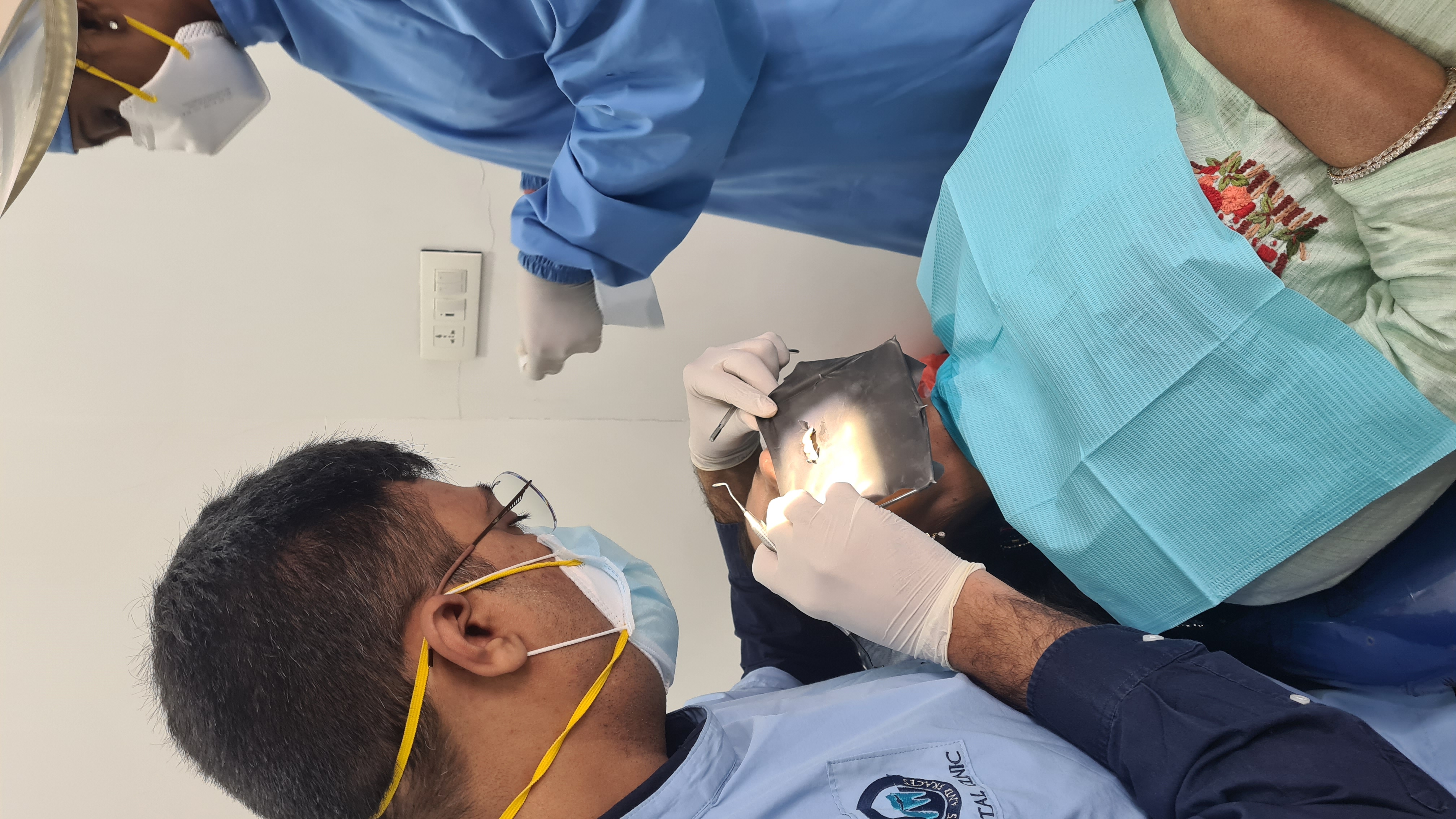
At Gums and Braces Dental Clinic in Ghatkopar East, safety begins long before surgery. We review your medical history, take detailed images of your jaw, and check your gum and bone health so there are no surprises on the day. Treatment is carried out under local anaesthetic with comfort in mind, and you leave with clear aftercare instructions to protect healing. Our aim is simple: a replacement tooth that looks natural, feels secure and lasts.
If you have been putting off treatment because you were unsure whether implants are safe, let us answer your questions in person. Book a consultation with our Ghatkopar East team and take the first confident step towards restoring your smile.
Frequently Asked Questions
Are dental implants safe?
Yes. Dental implants are one of the most predictable treatments in dentistry. They use body-friendly titanium, and safety stays high when an implant is properly planned, placed and cared for.
What are the main risks of dental implants?
Risks are uncommon and mostly preventable. They include infection around the implant (peri-implantitis), failure to fuse with the bone, and rarely nerve or sinus involvement. Careful planning avoids most of these.
What is the success rate of dental implants?
Dental implants have a high long-term success rate, with most healing well and lasting many years. Success depends on being a suitable candidate, precise placement and good aftercare.
Who is not a good candidate for dental implants?
Implants suit most adults. Thin jawbone may need a bone graft, active gum disease is treated first, and uncontrolled diabetes or smoking can slow healing. None of these automatically rule you out.
How do I know if my dental implant is failing?
Watch for swelling, lasting pain or a loose feeling around the implant. These are the main warning signs. Tell your dentist promptly, as most problems are manageable when caught early.